
 Fan club
 Recipes/Blogs


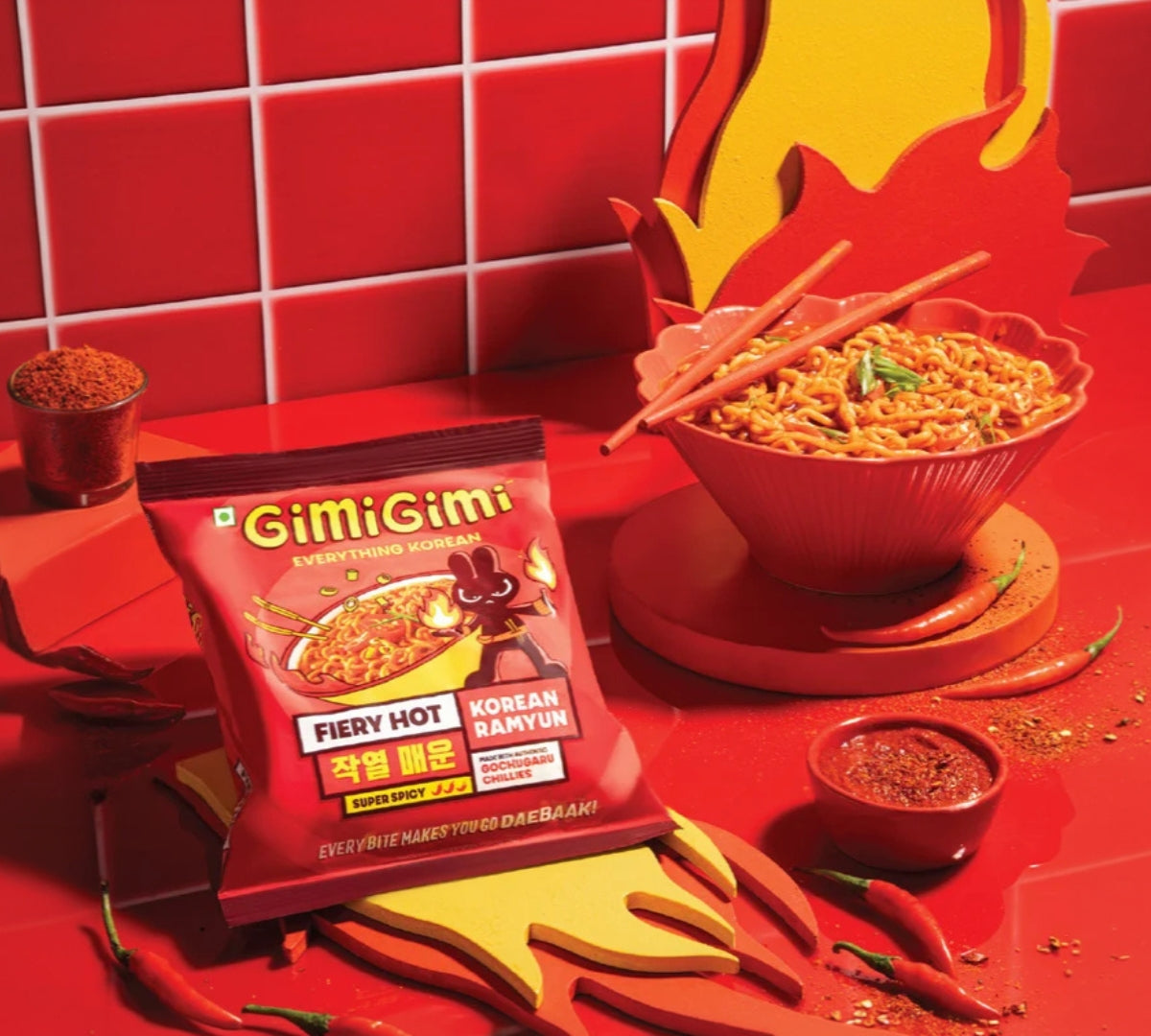
That deep, glowing red in a bowl of kimchi or a pot of bubbling ramyun is not food colouring, it is one humble ingredient doing all the heavy lifting. Anyone falling for Korean food eventually asks the same question, what is gochugaru, and why does every fiery, red Korean dish seem to lead back to it.
The short answer is that gochugaru is the Korean red chilli that gives the cuisine its signature warmth, colour and smoky depth. The longer answer is a lot more delicious, and worth knowing if you want to understand what makes a proper Korean bowl taste the way it does. So here is the full story of Korea's most important chilli.
What Is Gochugaru, Really?
Gochugaru is a Korean red chilli, sun-dried and ground into vivid crimson flakes or powder. Unlike a pure heat bomb, it is prized as much for its colour and flavour as its spice. Knowing how it is made explains why it behaves so differently from the chilli in your masala dabba.
How It Is Made
Korean red chillies are sun-dried, usually deseeded, then coarsely ground into flakes. Removing most of the seeds keeps the heat moderate while letting the fruity, smoky character come forward. That careful process is why gochugaru glows red without scorching your tongue.
What It Actually Tastes Like
Gochugaru carries a smoky, slightly sweet and earthy flavour with a warmth that builds gently rather than blasting you. More than just spice, it brings a fruity depth that rounds out a dish. A bowl of gochugaru-forward Korean ramyun shows off exactly this layered warmth in action.
Coarse Versus Fine Grind
Gochugaru comes in different textures for different jobs. Coarse flakes are the classic choice for kimchi and toppings, where you want visible flecks and a slower heat release. Finer grinds dissolve more smoothly into sauces, stews and pastes.
Gochugaru vs Chilli Powder, Why They Are Not the Same
Swapping gochugaru for ordinary chilli powder is one of the most common Korean-cooking mistakes. The two look related but behave very differently in a dish. Here is where the gochugaru vs chilli powder difference really shows.
Heat Versus Flavour
Regular chilli powder is usually built for pure heat, often hotter and sharper on the tongue. Gochugaru leads with flavour first, a smoky, fruity warmth that spice sits inside rather than dominating. A bowl of fiery gochugaru heat still burns, but it burns with character.
Texture and Colour
Gochugaru's coarse flakes and vibrant red are part of its identity, giving Korean dishes their glossy, red-flecked look. Standard chilli powder is finer and often duller or browner in tone. That visual difference is one reason a Korean bowl looks so unmistakably itself.
Why Swapping Changes the Dish
Using plain chilli powder in a Korean recipe tends to make it hotter and flatter, missing the smoky-sweet backbone. The dish can end up sharp instead of layered. For anything genuinely Korean, the real flakes are worth seeking out.
Finding Gochugaru or a Substitute in India
The good news for Indian fans is that gochugaru is easier to find than it used to be. When you cannot get it, a thoughtful substitute can get you close, though not identical. Here is how to source the real thing and what to reach for in a pinch.
Where to Buy Korean Chilli Flakes
Korean chilli flakes are increasingly stocked by specialty Asian grocers and online platforms across India. Buying authentic gochugaru means you get the true colour, aroma and rounded heat. For the smoothest introduction, an umami-rich Korean ramyun already made with real gochugaru lets you taste it without any cooking at all.
A Practical Gochugaru Substitute in India
When gochugaru is out of reach, Kashmiri red chilli is the closest everyday stand-in for colour and mild heat, since it too is prized for vibrant red over fierce burn. Blend it with a pinch of a hotter chilli powder to lift the spice a little. A gochugaru substitute in India will get you the look and warmth, though the exact smoky-sweet depth is hard to copy.
The Easiest Way to Taste It
Sourcing chillies and grinding your own is rewarding, but not everyone has the time. The simplest route to that authentic gochugaru flavour is a ready bowl built around it. A whole range of Korean ramyun made with gochugaru imported from Korea delivers the real thing in minutes.
How Homegrown Korean Ramyun Brands Compare
Weighing up your Korean ramyun options? Here is a quick side-by-side look at how two of India's homegrown brands compare on the details that matter most in the bowl.
| Feature | GimiGimi | GimiMichi |
|---|---|---|
| Signature heat | Real gochugaru chillies imported from Korea for authentic, layered heat | Bold, deep-red Korean heat with a spicy, full-bodied kick |
| Flavour range | Six flavours, from mild and creamy to intensely fiery | A bold range including kimchi, extra spicy and chicken |
| Dietary options | 100% vegetarian across the entire range | Both vegetarian and non-vegetarian options |
| Noodles and texture | Thick, bouncy noodles built for a full-bodied slurp | Long, chewy noodles in a rich, hearty broth |
| In every pack | Separate spice, oil and vegetable sachets for a hearty, customisable bowl | Real vegetables for a complete, satisfying bowl |
Taste the Chilli That Started It All
Understanding gochugaru changes how you eat Korean food, because you finally know what that glowing red warmth is doing to every bowl. Whether you cook with the flakes yourself or let a ready ramyun do the work, the smoky, layered heat is the heart of the whole cuisine. Once you have tasted the real thing, generic chilli never quite satisfies the same way again. Pick up an all-flavour Korean ramyun set and let authentic gochugaru show you what you have been missing.
Frequently asked questions
What is gochugaru made of?
Gochugaru is made from Korean red chillies that are sun-dried and, in most cases, deseeded before being ground into coarse flakes or a finer powder. Removing the seeds keeps the heat moderate while bringing out its smoky, fruity flavour and deep red colour.
Is gochugaru very spicy?
Gochugaru sits at a moderate heat level rather than an extreme one. The spice builds gently and is balanced by a smoky sweetness, which is why it flavours a dish rather than simply overpowering it. If you want to feel that build-up at its most intense, Gimi Gimi's full-on fire lineup is where the gochugaru heat goes all the way.
Can I use regular chilli powder instead of gochugaru?
You can in a pinch, but the result will taste hotter and flatter, missing gochugaru's smoky-sweet depth. Ordinary chilli powder is finer and usually sharper, so the dish loses the rounded warmth that defines Korean flavour.
What is a good gochugaru substitute in India?
Kashmiri red chilli is the closest common substitute, prized like gochugaru for bright red colour and gentle heat. Blend it with a little hotter chilli powder to approximate the spice, keeping in mind the smoky character will not fully match.
Is gochugaru the same as gochujang?
No. Gochugaru is dried chilli flakes, while gochujang is a thick, fermented chilli paste that uses gochugaru as one of its ingredients. One is a raw spice, the other a seasoned, fermented condiment.
Where can I try gochugaru noodles in India?
Korean ramyun made with authentic gochugaru is available on quick commerce and e-commerce platforms across India. A homegrown, fully vegetarian option like GimiGimi's Korean ramyun range uses real gochugaru imported from Korea, making it an easy first taste.