
 Fan club
 Recipes/Blogs


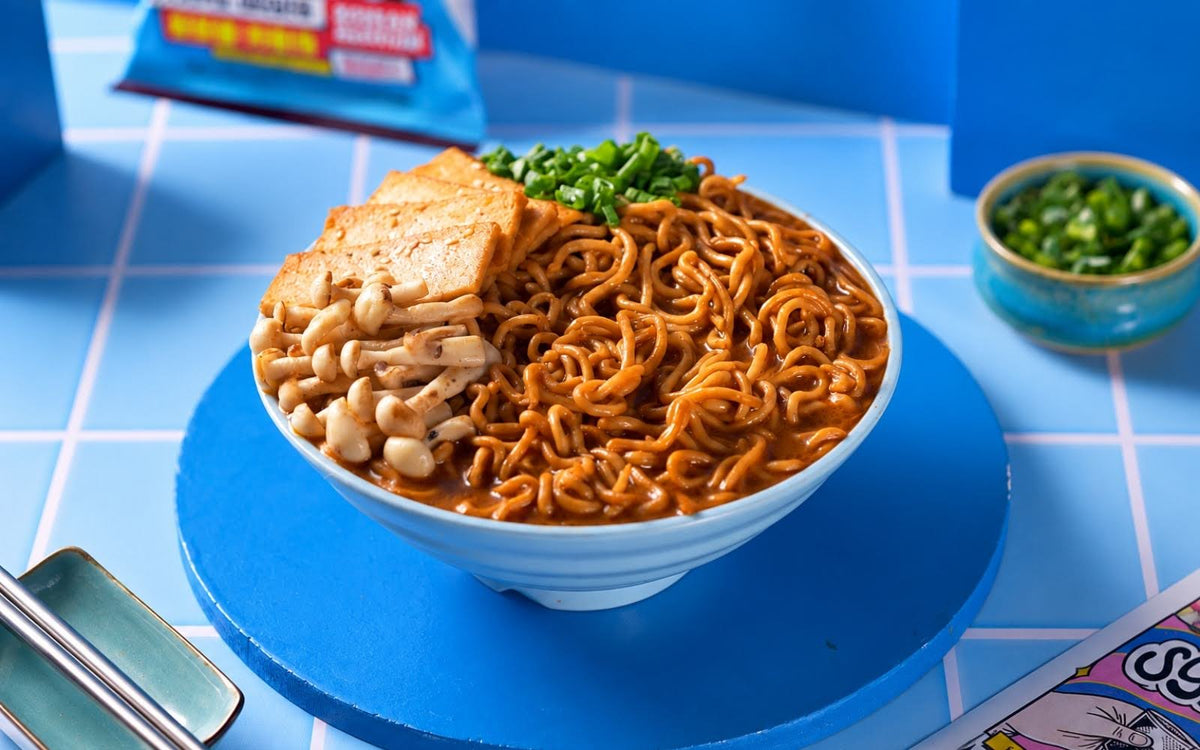
Ramen, ramyun, same thing, right? That is what most people assume. You see noodles in a K-drama, you call it ramen, and nobody corrects you. But ramen and ramyun are actually two different foods from two different countries.
Ramen is Japanese. Ramyun is Korean. One takes hours to make; the other takes five minutes. One is all about slow-simmered broth; the other is built around bold, spicy seasoning. The ramen vs ramyun difference sounds small, but it changes everything about what ends up in your bowl. Here is a simple breakdown of what sets them apart and why it matters.
Ramen vs Ramyun: Are They the Same Thing?
No. Ramen and ramyun come from different countries and different cooking philosophies. Both involve noodles in a flavoured broth, which is where the confusion starts, but the similarities end pretty quickly once you look at how each one actually reaches your bowl.
Where Ramen Comes From
Ramen is a Japanese noodle soup with roots going back to Chinese immigrants who brought wheat noodles to Japan in the late 1800s. Traditional ramen features fresh wheat noodles in a slow-simmered broth, often pork bone, chicken, miso, or soy sauce-based. A single bowl can take hours to prepare.
Where Ramyun Comes From
Ramyun is Korea's own take on noodle culture. The Korean ramyun meaning is straightforward: Korean-style noodles, almost always instant, seasoned with bold flavour profiles built around gochugaru (Korean chilli flakes) and fermented pastes. Ramyun was born in 1960s Korea as an affordable meal during post-war recovery and quickly became a national obsession.
So is ramyun the same as ramen? Not quite. Ramyun was inspired by ramen, but what it became is something distinctly Korean, with its own spice, texture, and soul.
What Makes Korean Ramyun Distinct
The difference goes beyond translation. Ramyun carries a flavour identity that sets it apart from Japanese ramen and from any generic noodle you may have tried before.
The Seasoning is Gochugaru-Forward
Japanese ramen leans into umami, salt, and savoury depth. Korean ramyun leads with heat. Gochugaru, Korean red chilli flakes, brings an earthy, smoky, lingering warmth rather than a one-note burn. Many Korean noodle varieties also feature fermented ingredients like kimchi and gochujang, giving the broth a complex, layered punch.
The Noodles Have More Bite
Ramen noodles tend to be thinner and springy, made fresh with an alkaline solution called kansui. Ramyun noodles are thicker, chewier, and built for bold, spicy Korean broth. The texture is made for slurping, not delicate sipping.
Preparation is a Different Game
A bowl of fresh Japanese ramen can take hours of broth simmering. A bowl of Korean ramyun? Five minutes, boiling water, and maybe an egg cracked on top.
| Feature | Japanese Ramen | Korean Ramyun |
|---|---|---|
| Origin | Japan (adapted from Chinese noodles) | Korea (inspired by Japanese ramen) |
| Format | Fresh or instant | Almost always instant |
| Noodle Style | Thin, firm, alkaline wheat noodles | Thick, chewy, fried or air-dried |
| Broth Profile | Umami-forward (miso, tonkotsu, shoyu) | Gochugaru-forward, spicy, fermented |
| Common Toppings | Chashu pork, nori, soft-boiled egg | Kimchi, egg, cheese, scallions |
How Homegrown Korean Ramyun Brands Compare
Weighing up your Korean ramyun options? Here is a quick side-by-side look at how two of India's homegrown brands compare on the details that matter most in the bowl.
| Feature | GimiGimi | GimiMichi |
|---|---|---|
| Signature heat | Real gochugaru chillies imported from Korea for authentic, layered heat | Bold, deep-red Korean heat with a spicy, full-bodied kick |
| Flavour range | Six flavours, from mild and creamy to intensely fiery | A bold range including kimchi, extra spicy and chicken |
| Dietary options | Six vegetarian flavours now, with non-veg options on the way | Both vegetarian and non-vegetarian options |
| Portion size | Big, hearty portions, generous enough to replace a full meal | A filling bowl of long, chewy noodles in a rich broth |
| In every pack | Separate spice, oil and vegetable sachets for a hearty, customisable bowl | Real vegetables for a complete, satisfying bowl |
Your Next Bowl is Waiting
Now you know the real story behind ramen vs ramyun. One is a slow-simmered Japanese art form. The other is Korea's spicy, endlessly craveable comfort food. Grab a pack tonight. Add an egg, throw in some cheese, pile on the kimchi. When that first slurp hits, you will understand why Korea eats nearly 80 packs a year. Build your own bundle and find your favourite.
Frequently Asked Questions
Is ramyun just the Korean word for ramen?
Not exactly. Ramyun refers to Korea's own tradition of spicy noodles seasoned with gochugaru and fermented ingredients. The flavour profile, preparation method, and cultural context are all different from Japanese ramen.
Why does GimiGimi use "ramyun" instead of "ramen"?
Every flavour in the GimiGimi range is built on authentic Korean flavour profiles, with real gochugaru chilli flakes imported from Korea. The term ramyun accurately reflects the Korean food tradition the brand represents.
Is Korean ramyun spicier than Japanese ramen?
In most cases, yes. Korean ramyun is known for bold, chilli-forward heat, while Japanese ramen focuses on umami and savoury depth. Within GimiGimi's range, Veg Carbonara and Soulful Umami offer milder options while Fiery Hot and Killer Kimchi bring serious heat.
What does ramyun mean in Korean?
The Korean ramyun meaning refers to Korean-style noodles, almost always instant. Over time, ramyun has come to represent a distinct food category with its own seasoning, noodle textures, and eating culture.
Can vegetarians eat Korean ramyun?
Most international Korean ramyun brands use meat-based broths. GimiGimi is an exception, with all six flavours in the current range being vegetarian, making authentic Korean ramyun accessible to a wider audience in India.
Is ramyun the same as regular noodles you get at a store?
All ramyun is a form of noodle, but not all noodles are ramyun. Korean ramyun has a distinct seasoning style built around gochugaru, fermented flavours, and thicker, chewier noodles that set it apart from generic options.